
From shared understanding to strategic action
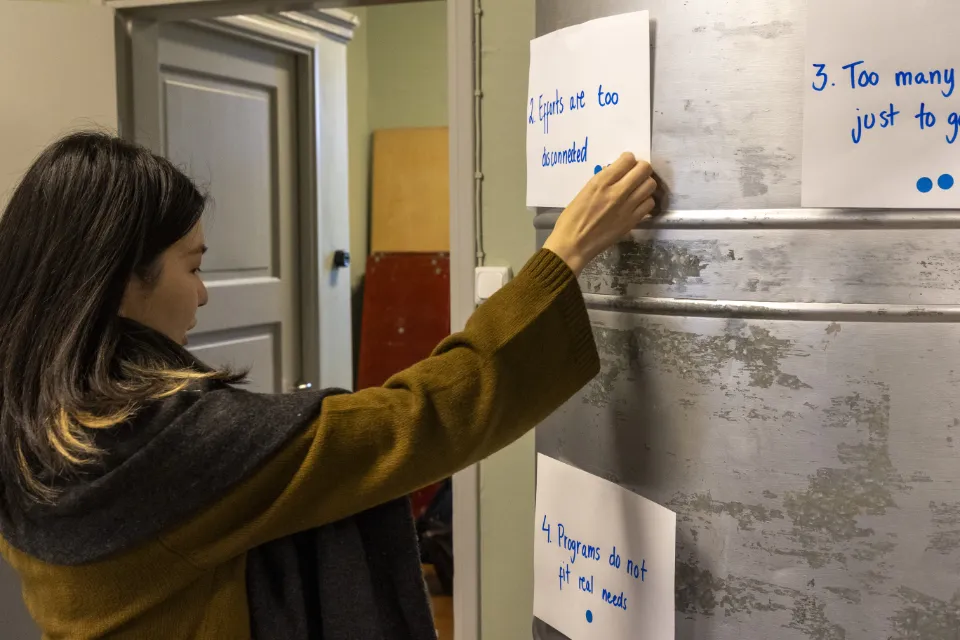
The hearing was structured around two interactive workshops. In the first, participants prioritised the most critical barriers to digital inclusion. A recurring theme emerged: “Too many hurdles just to get started.” This barrier reflects the compounded challenges of language gaps, low income, lack of digital literacy, and systems that are either too analogue or too digital.
As one participant during the discussion noted, “We keep designing systems for people who are already inside. What about those still standing at the door?”
Groups then linked these barriers to promising practices, identifying real-world examples that have successfully addressed these issues.
ReDi School: a case of practical success
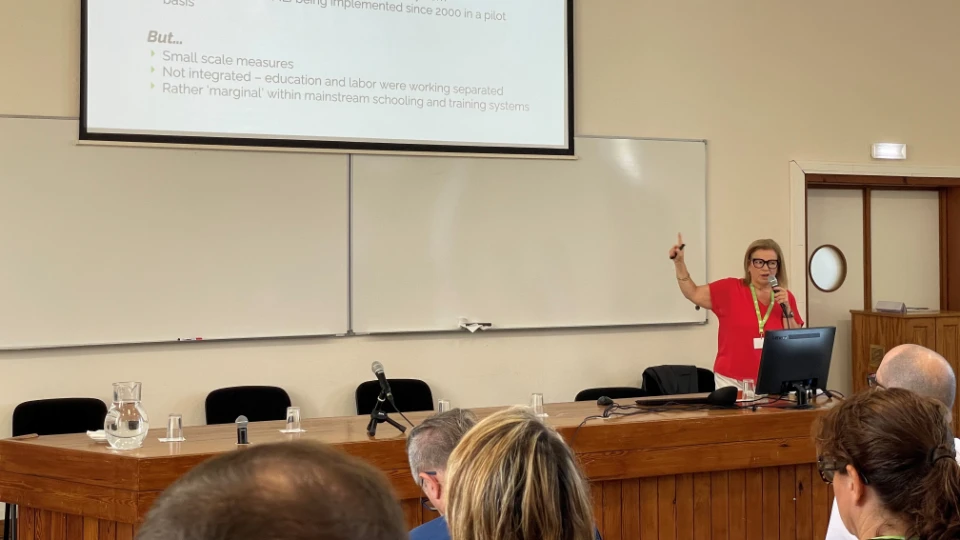
A highlight of the hearing was the presentation by Felix Unogwu, CEO of ReDi School Malmö, who shared how their model tackles digital exclusion head-on. Founded in 2015, ReDi School of Digital Integration is a non-profit tech school providing migrants and marginalised locals free and equitable access to digital education. ReDi School combines technical training with mentorship and career support.
Felix captured the challenge of working across sectors with humor and clarity:
“Civil society and government working together is like dancing with a refrigerator.”
Despite this, ReDi School has built a successful partnership with Malmö Municipality. Together, they have created a collaboration model where ReDi School teaches people with an immigrant background in specific areas that the municipality sees a need for in the labor market. When faced with 312 applicants for just 55 spots at the course, they asked:
“What does this tell us?”
The answer: a massive unmet need for digital competence and social integration among immigrant women.
ReDi’s approach is deeply community-driven. Learners are asked:
“Tell us what you want to learn and why.”
This question fosters intrinsic motivation and ensures relevance. The curriculum includes job portals, CV writing, e-services, and digital safety, all supported in multiple languages such as Arabic and Somali.
Designing forward: strategy and commitment
In the second workshop of the hearing, participants built on the morning’s insights to define strategic actions and partnerships – a shift from broad insights to hands-on problem-solving. Participants worked case-based, tackling prioritised barriers and exploring practical approaches. The energy in the room was palpable – discussions revealed that there is no single formula for success in digital integration.
A shared ambition emerged eventually: to develop a model that enables cross-sector collaboration and can scale effectively, while remaining locally relevant. At the same time, participants stressed the importance of mapping existing knowledge and initiatives before launching new efforts.
As one participant during the workshop put it:
“We don’t need to reinvent the wheel—we need to figure out how to make it roll together.”
Next step: a Nordic network for digital integration
As a direct outcome of the hearing, stakeholders are now forming a Nordic Network for Digital Integration. This emerging network will serve as a collaborative platform to advance inclusive digital practices across the region.
Some participants have committed to becoming active members, helping shape the network’s direction and co-develop initiatives. Others will contribute as expert resources, offering their insights and experience on a case-by-case basis.
This dual structure ensures both continuity and flexibility:
- Core members will drive strategic efforts and pilot projects.
- Expert contributors will be available to advise, support, and strengthen specific actions when needed.